When an armored car is the right answer
Most of our clients will never need an armored vehicle. Privacy glass, a chauffeur who varies the route and an arrival through a service entrance cover the ordinary concerns of a public figure or a senior executive. But some situations call for more. A principal facing a credible, specific threat. An executive travelling during a labour dispute or a period of public controversy. A visiting dignitary whose own government requires armored transport as a matter of policy. A family office whose security adviser has made a recommendation.
In those cases we arrange armored vehicles with chauffeurs selected for the work, and we do it quietly. An armored car is a tool for a protection plan, not a substitute for one, so we prefer to work with the person responsible for that plan — your close-protection lead, your corporate security director or your mission’s security officer.
The vehicles
Armored vehicles for chauffeured work are usually based on full-size SUVs and large sedans, the same kinds of car our clients use every day, so that they do not stand out. The protection is built into the body, glass and running gear by specialist manufacturers, and it is rated against recognised ballistic standards. The National Institute of Justice publishes background on how armor is tested and rated, which is a useful starting point if your team is comparing specifications.
Armored vehicles are a specialised and limited resource. We do not list a standing armored fleet at fixed prices because availability, specification and cost depend on the assignment. When you tell us what is needed, we confirm the specific vehicle, its protection rating and its condition in writing before anything is booked.
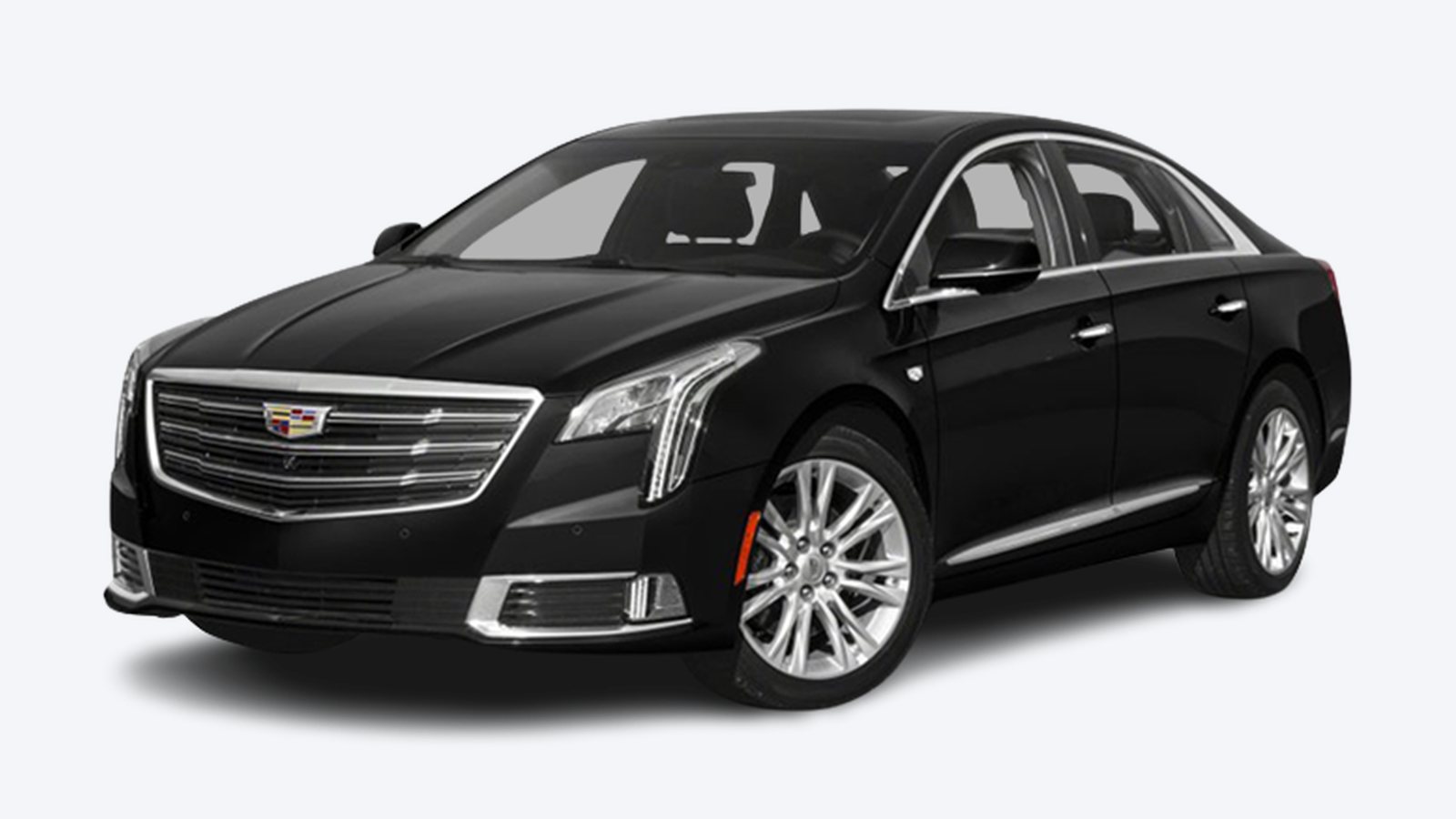
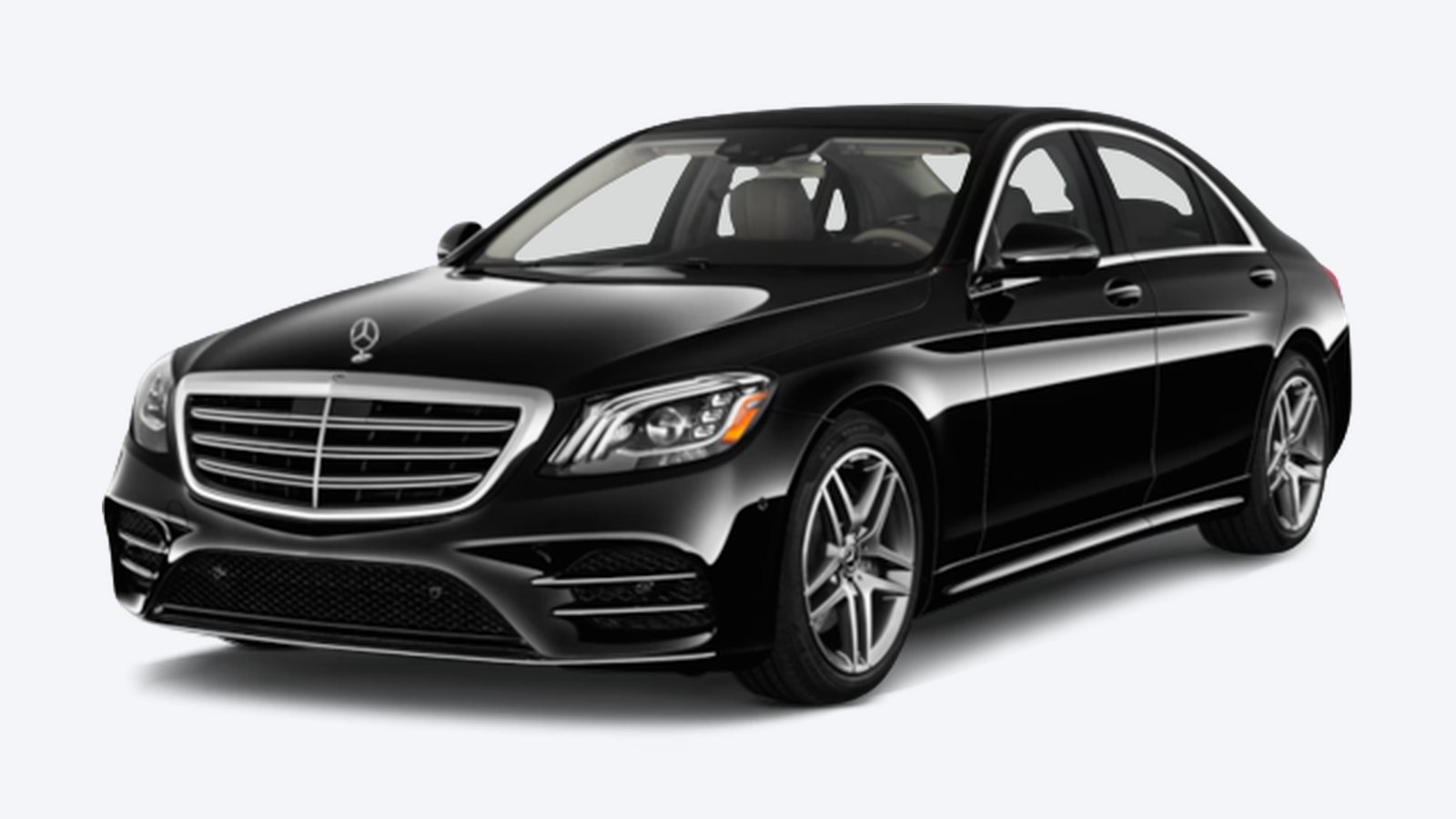
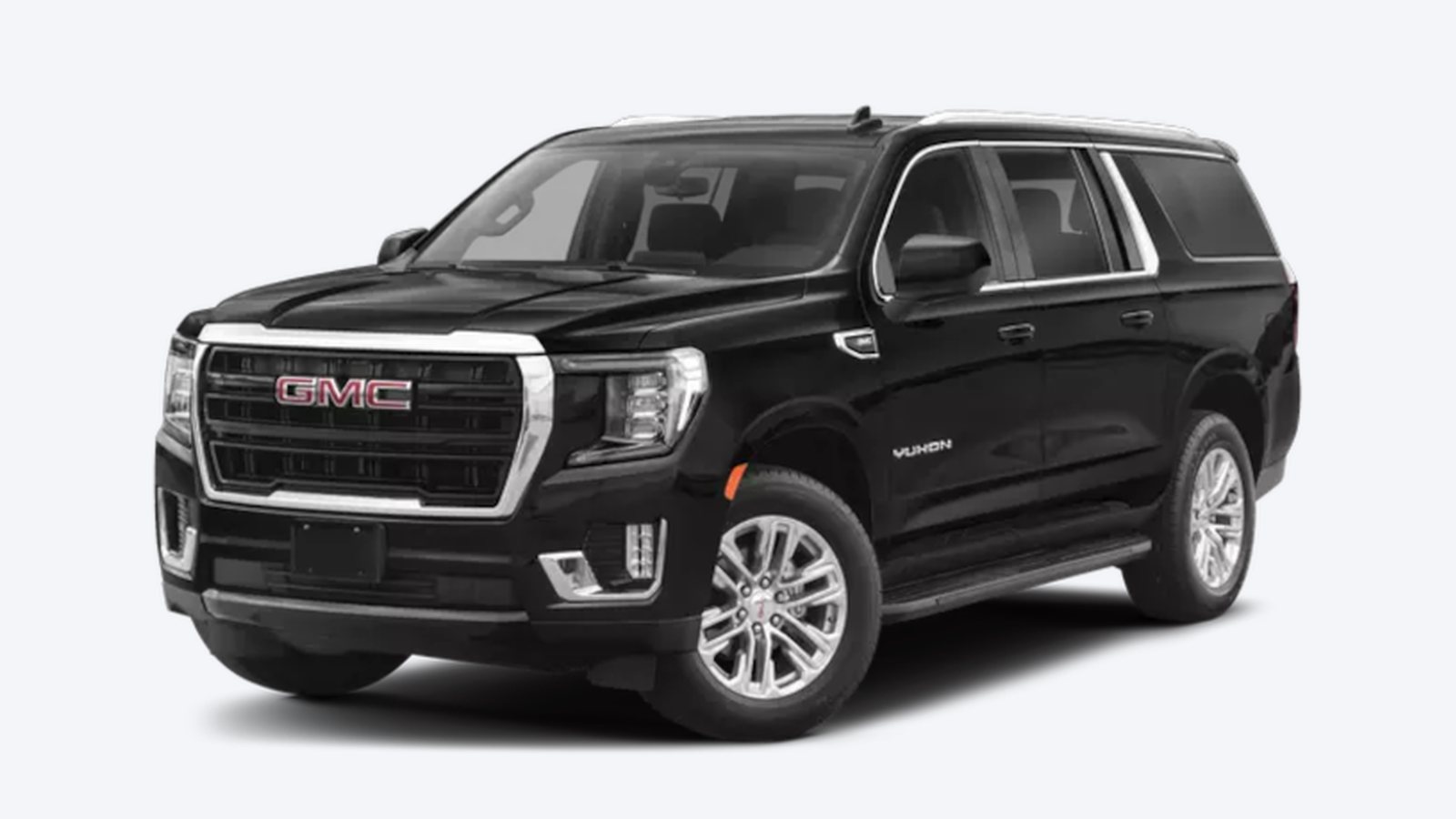
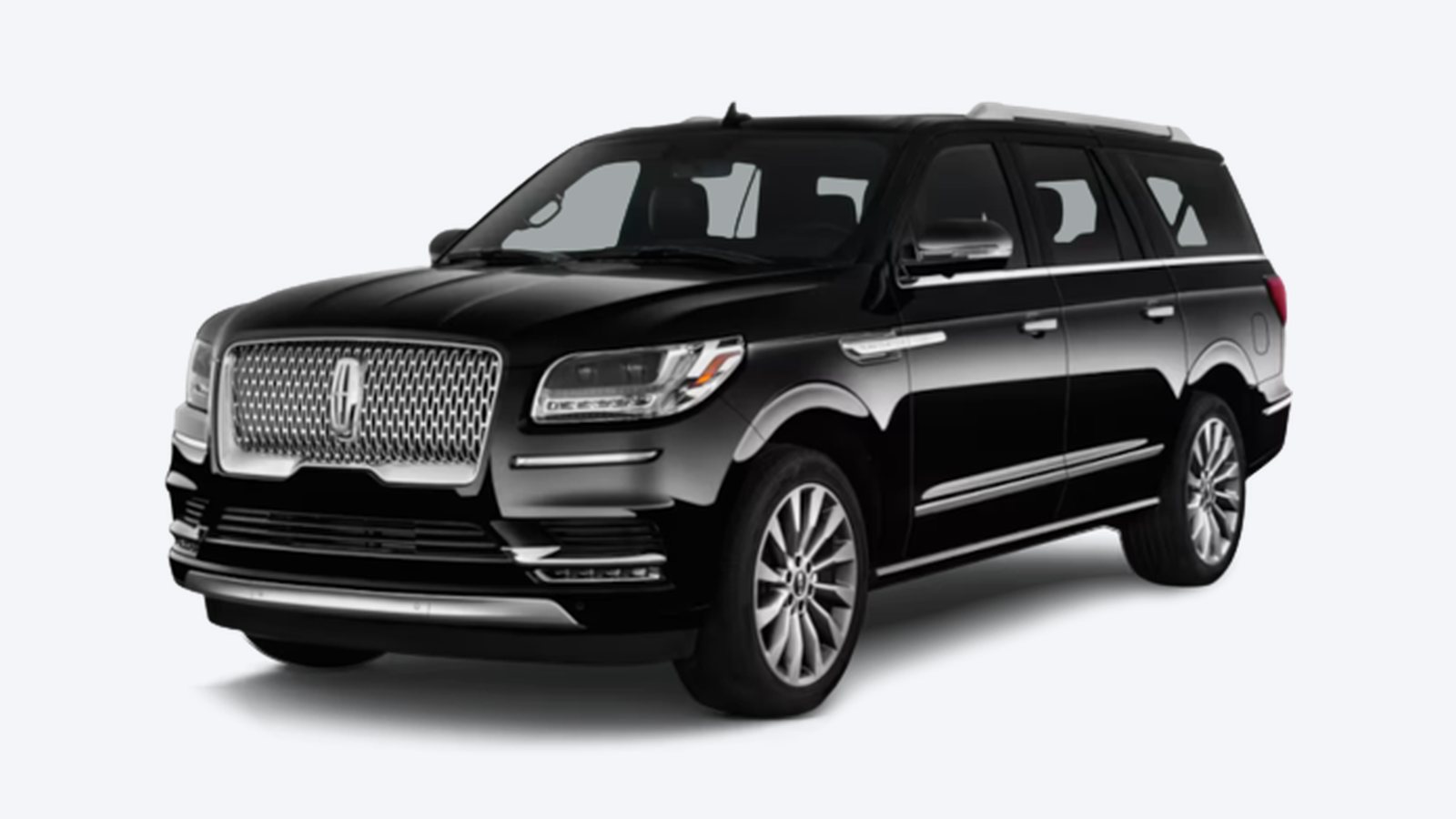
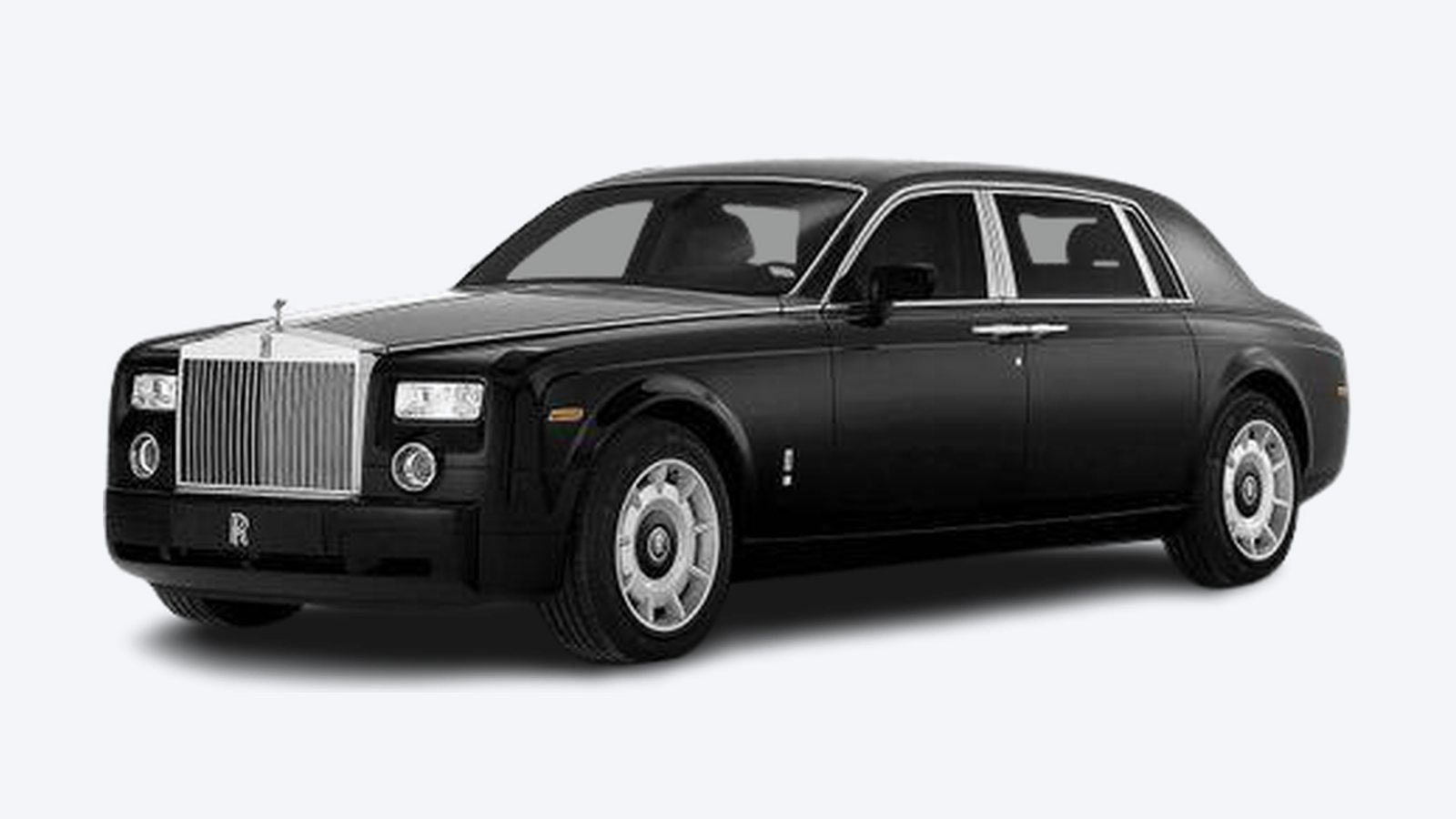
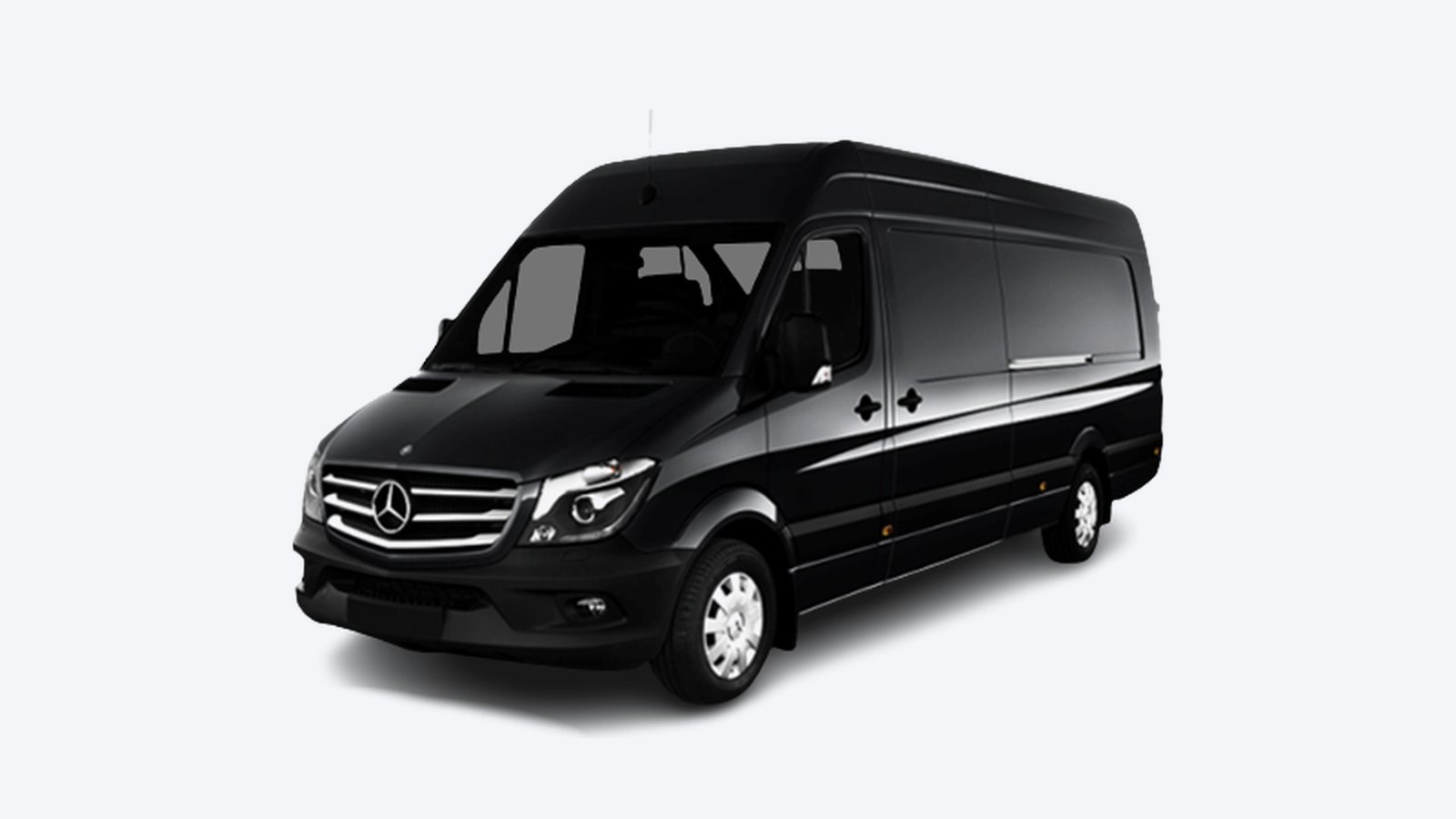
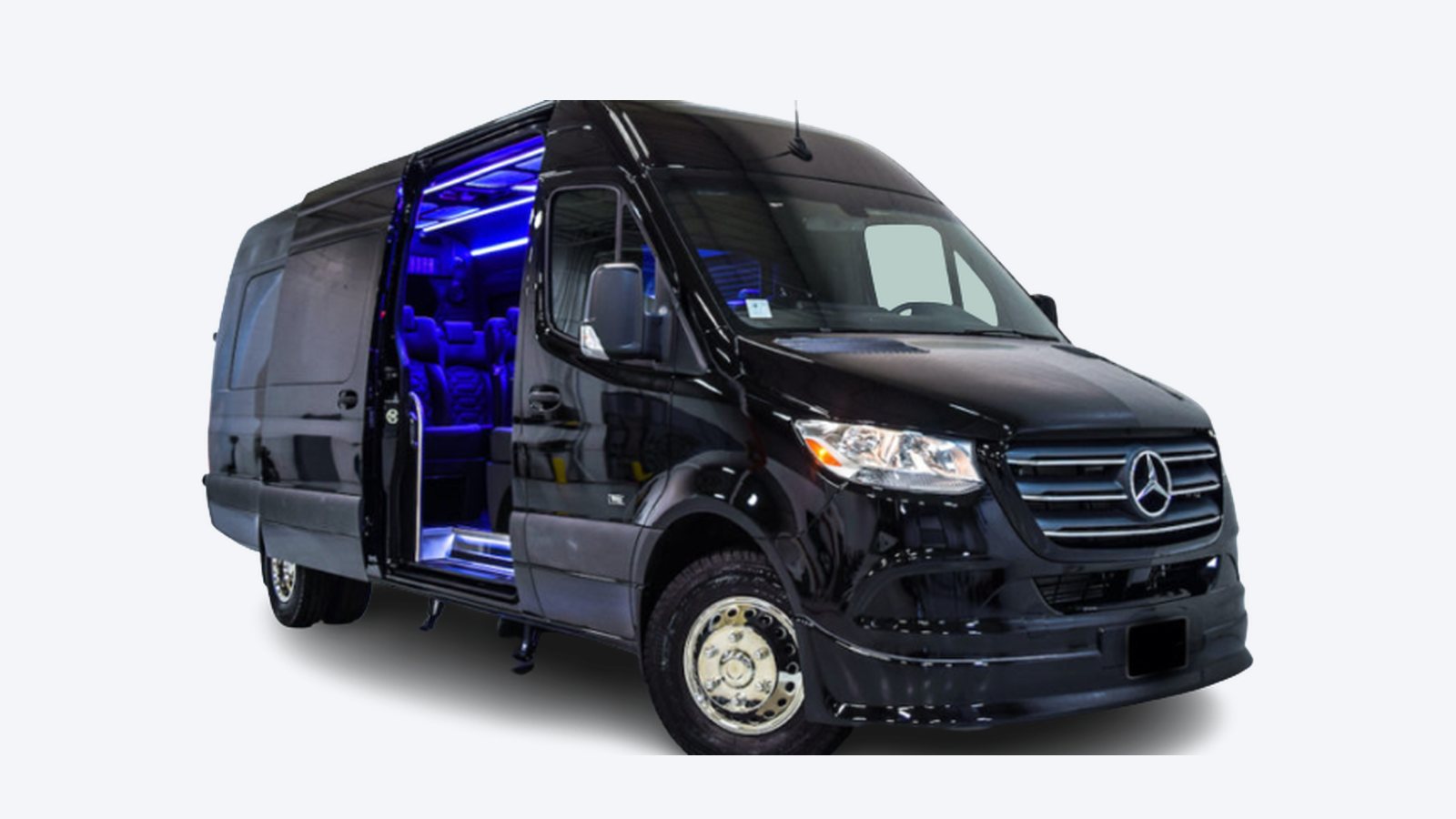
Supporting cars travel unarmored in most details. Staff, advance teams and luggage typically move in an SUV Business or SUV First, and the cards below show those classes with their published hourly rates.
The chauffeurs
An armored car drives differently from a standard one. It is heavier, it brakes and corners differently, and its doors and glass behave differently. The chauffeurs we assign to armored work are drawn from our most senior team and are experienced with heavier vehicles. They are background-checked annually and briefed on every assignment.
They are not bodyguards, and we do not present them as such. Their role is to drive the vehicle safely and calmly, follow the instructions of the protection lead, know the primary and alternative routes, and keep the car ready at all times. On assignments without a dedicated protection team, we will tell you honestly whether we think one is needed.
How an assignment is arranged
- First contact: call (855) 255-6622 or use the enquiry form with the dates and the general nature of the requirement. You do not need to give names or details at this stage.
- Confidentiality: a non-disclosure agreement is signed before the itinerary, the passenger and the threat profile are shared.
- Planning: we agree the vehicles, chauffeurs, routes and timings with your protection lead, including hand-offs at airports, residences and venues.
- Written quote: the price for the assignment is confirmed in writing, all-in, with taxes and a 20% gratuity included.
- Terms: how changes, extensions and cancellations work for the assignment is set out in the written agreement.
Pricing
Armored vehicles are priced by quote, per assignment, because the cost depends on the vehicle, its location, the length of the assignment and the distances involved. Quotes are in Canadian dollars and are all-in: taxes and a 20% gratuity are included. Tolls, parking and Wi-Fi data are billed at actual cost.
Unarmored supporting cars are billed at our published hourly rates: $235 an hour for an SUV First, $185 for an SUV Business, $285 for a First-Class Sedan and $155 for a Business Sedan. Days out of town add 50% to the hourly rate, with hotel and a $100 travel allowance for overnight stays. The full table is on our chauffeur cost guide.
Ongoing protection arrangements
Some principals need protective transport for a season, a trial or a posting rather than a single visit. In those cases the unarmored part of the arrangement can be set up as a monthly chauffeur service or a yearly contract, with the armored vehicle quoted alongside it. Missions and official visitors may find our diplomatic transportation page useful, and families who simply want a trusted, discreet chauffeur may be better served by a private chauffeur.
Armored or unarmored: making the call
An armored vehicle is heavier, more conspicuous to a trained eye and more expensive than a standard one, and it is not always the right choice. For most public figures and executives, a well-planned unarmored movement — varied routes, controlled arrivals, privacy glass, an experienced chauffeur and a discreet schedule — addresses the realistic risks. Armored protection becomes appropriate when a qualified security adviser identifies a specific threat that warrants it, or when a government’s own policy requires it for an official.
If you are unsure, start with the assessment rather than the vehicle. We will happily discuss both options with your adviser and price each one, so that the decision rests on the risk rather than on habit.
Questions worth asking about any armored car
- What standard is the protection certified to, and who certified it?
- When was the armor and the glass last inspected, and are there records?
- Are the suspension, brakes and tyres upgraded to carry the extra weight, and when were they last serviced?
- Does the vehicle have run-flat capability, and how far can it travel on it?
- How much experience does the assigned chauffeur have with armored vehicles of this weight?
We expect to answer every one of these in writing before an assignment is booked, and we encourage your team to ask them of anyone else you speak to.
Airports, residences and venues
The vulnerable moments in any protected movement are the transitions: stepping off an aircraft, leaving a building, arriving at a venue. Much of our planning concentrates on those points. We agree the vehicle position, the door to be used and the timing at each one with your protection lead, and our chauffeurs keep the car running, positioned and ready for the departure, with the alternative route already in mind.
Assignments beyond Toronto
Protected movements do not always end at the city limits. A principal may fly into Pearson, spend two days downtown and continue by road to Ottawa or across the border. Our chauffeurs drive intercity under the same plan, and out-of-town days follow the published structure for the supporting cars: the hourly rate plus 50%, with hotel and the $100 travel allowance for overnight stays. Where an assignment continues to another country, we can coordinate with vetted operators in our networks, and the armored element is quoted for each location separately. Crossing into the United States with protective equipment or an armored vehicle raises its own questions, and we will point your team to the Canada Border Services Agency and the relevant U.S. authorities early in the planning rather than at the border.
A note on discretion
Nobody at our desk discusses armored work. Requests are handled by a small number of senior staff, records are kept to the minimum the agreement and the law require, and nothing about an assignment is ever used in our marketing. The discretion commitments below apply to every armored assignment as standard.